
SustainabilityClimate Change- and Nature-Related Initiatives
-
Emission Reduction Measures and Programs
We regard addressing climate change as a key medium- to long-term issue and are working to reduce our greenhouse gas (GHG) emissions. We are striving to visualize and continuously reduce emissions by establishing internal programs and implementing emission reduction measures, thereby contributing to the realization of a decarbonized society.
-
Switching our company vehicles to EVs and HVs
We are systematically replacing our company vehicles with electric vehicles (EVs) and hybrid vehicles (HVs). Compared to conventional gasoline-powered vehicles, EVs and HVs emit significantly fewer GHGs during operation, thereby allowing us to steadily reduce the environmental impact of our daily operations.
Improving vehicle fuel efficiency also helps to lower operating costs and reduce our environmental impact, contributing to sustainable corporate activities.
-
Use of renewable energy
We are promoting the use of renewable energy through measures such as installing solar power generation facilities, using renewable energy-based electricity, and purchasing non-fossil fuel certificates.
Renewable energy is a clean energy source that emits no GHGs during its generation. Expanding the use of renewable energy is one important measure to reduce our GHG emissions.
Currently, we have installed self-consumption solar power generation facilities at four of our bases in Japan and are using the electricity generated in our business activities. Moreover, six of our bases have adopted renewable energy plans offered by power companies. We project that we will reduce our emissions by 500 t-CO2 a year through these efforts, which will significantly contribute to reducing the environmental impact of our business activities.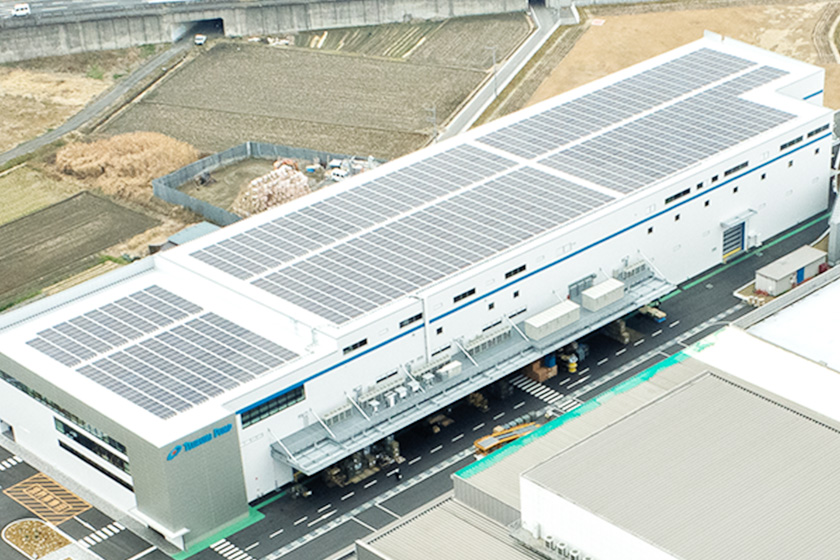
FY2020 Adopted renewable energy-based electricity at Tsuchiura Representative Office From FY2021 Adopted renewable energy-based electricity at Osaka Headquarters, Tohoku Branch, and Kita-Kanto Branch From FY2022 Adopted renewable energy-based electricity at Tokyo Headquarters, Shikoku Branch, and Takasaki Sales Office From FY2023 Installed solar power generation facilities at Chubu Branch From FY2024 Installed solar power generation facilities at Kinki Branch and Kyoto Plant (Motor Production Building) From FY2025 Installed solar power generation facilities at Tokyo Headquarters -
Reduction of GHG emissions through the electrification of fossil fuel facilities and the introduction of high-efficiency equipment
We are advancing initiatives to switch from facilities that use fossil fuels to more highly efficient electric alternatives to coincide with upgrades to facilities.
In recent years, we have introduced more efficient and energy-saving facilities at our Yonago Plant. This includes electrifying heating systems and forklifts, switching to LED lighting, and upgrading to inverter-equipped compressors. -
Internal carbon pricing system
We have introduced an internal carbon pricing system that sets the internal carbon price at 10,000 yen t-CO2. The objective of this system is to assess climate change risks and foster awareness to reduce GHG emissions across our company.
-
We will continue to take various measures to further reduce GHG emissions in the future. These measures include switching our company vehicles to EVs and HVs, considering renewable energy-based electricity options and the purchase of non-fossil fuel certificates, refining Scope 3 emission calculations, switching to LED lighting, as well as electrifying facilities and improving their efficiency through upgrades.
-
Development of Products and Technologies to Address Climate Change
Under our Tsurumi Vision 2030 long-term management plan, we have identified contributions to decarbonization, the water environment, and resource circulation as the materialities (key issues) we must address by 2030.
To achieve these goals, we are advancing the development of products and technologies to address climate change. Through our products, we are contributing to the decarbonization of society as a whole and adaptation to climate change. -
Contribution to stable supply of electricity and decarbonization with liquid ring vacuum pumps
Demand for electricity is rising due to advances in digital transformation (DX) and green transformation (GX). Against this backdrop, the electricity market is required to achieve both stable supply of electricity and decarbonization.
Our liquid ring vacuum pumps are used in the power generation market, including the thermal, geothermal, and biomass sectors. They support the stable supply of electricity.
In the long term, it is expected that there will be an expansion of new markets and technologies aimed at achieving zero-emission thermal power generation as well as an increase in geothermal power generation. Therefore, we will allocate resources to respond to these new markets while striving to mitigate risks and seize opportunities under various potential future scenarios.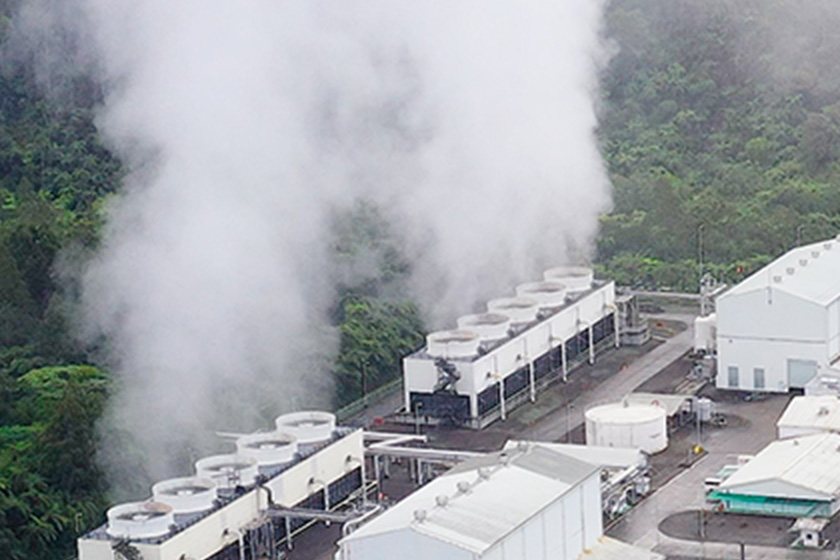
-
Contributing to safe and secure living with large pumps for drainage pumping stations
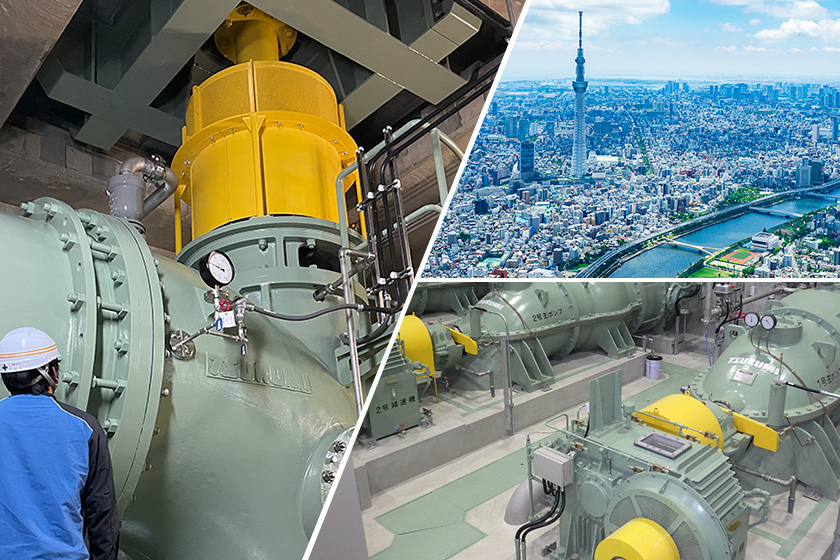
By 2030, rainfall intensity in Japan is projected to increase by 10% compared to the end of the 20th century. As weather becomes more extreme in the future, business continuity planning (BCP) measures will progress as adaptation strategies in Japan. In particular, we anticipate an increase in the number of projects and the financial value of orders from government agencies to upgrade and enhance the functions of stormwater drainage facilities to protect against heavy rain and flooding. We are advancing solution proposals that leverage our existing product lineup and accumulated expertise. At the same time, we are striving to strengthen our product development and our service and support structures to meet diversifying needs. Through these efforts, we are contributing to the development of social infrastructure.
-
Contributing to reducing GHG emissions during product use
We are working to develop high-efficiency products to expand our lineup of solutions that contribute to reducing GHG emissions during product use.
For example, our electrode-type automatic operation pumps equipped with water level detection sensors that are frequently used at construction sites reduce idling. In turn, this can be expected to lower GHG emissions proportionate to the reduced unnecessary operation time. Moreover, our BN series submersible smashing cutter pumps are highly efficient and have solid-passing capabilities thanks to a newly incorporated mechanism. These pumps help reduce GHG emissions in sewerage systems, wastewater treatment facilities, and other sites.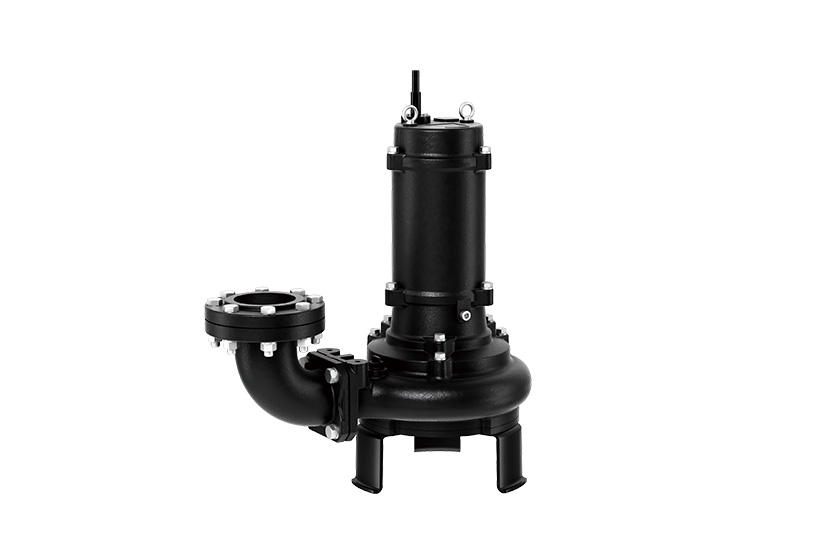
Submersible Smashing Cutter Pumps BN-series
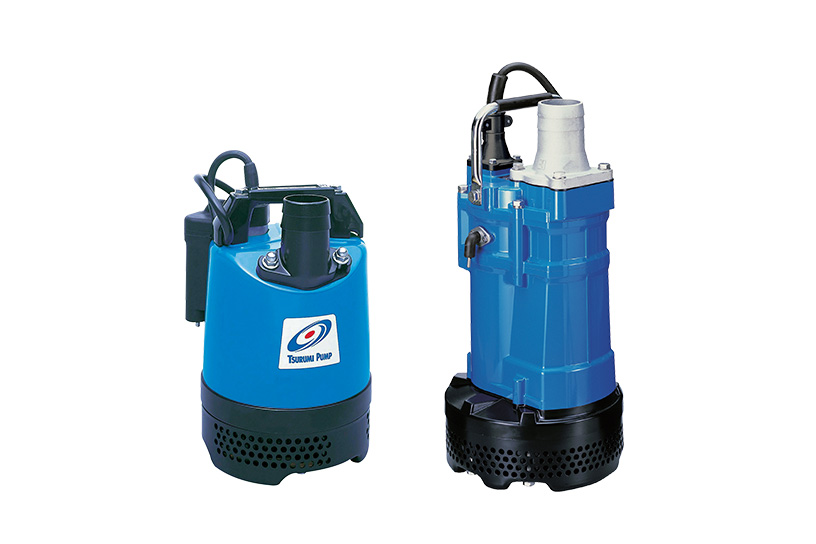
Electrode-type Automatic Operation Pumps
-
Participation in External Initiatives
To enhance our measures against climate change and information disclosures, we participate in external initiatives. We leverage external networks and international frameworks to gather necessary insights and strengthen our internal efforts.

TCFD
We have been endorsing the Task Force on Climate-related Financial Disclosures (TCFD) since 2023. In line with the TCFD framework, we appropriately assess the risks and opportunities that climate change poses to our business, advancing highly transparent information disclosures and strengthening our efforts.
Japan Climate Initiative
We have been participating in the Japan Climate Initiative (JCI) since 2025. This is a network to strengthen information sharing and the exchange of views among companies, local governments, NGOs, and other organizations actively addressing climate change.
-
Initiatives in Business Activities
Conserving the natural environment is the foundation that supports corporate sustainability and is an essential initiative for Tsurumi as well. To minimize the impact of our business activities on natural capital, we are working to reduce waste, promote recycling, and mitigate soil and air pollution, building the foundations to address future nature-related risks.
-
Promoting waste reduction and recycling
We are working to minimize the waste we generate in our business activities and promote recycling to ensure the effective use of resources. We have established a structure to appropriately collect and sort recyclable resources, and then ensure that they are reliably sent to recycling channels.
Recycling of foundry sand
Adoption of resin pallets, steel transport containers, and other packaging materials that can be reused multiple times
Thermal recycling of used packaging wood
Reduction of paper output through the introduction of tablet devices
Recycling of used helmets
Recovery of scrap iron, stainless steel scraps, gun metal scraps, and lubricating oil as valuables
-
Soil and air pollution control measures
We keep chemical substances under control and inspect equipment to prevent adverse impacts on the soil and air.
Proper management of specially controlled industrial waste
Proper management of chemical substances subject to Japan’s Pollutant Release and Transfer Register (PRTR) Act
Periodic voluntary inspections of local exhaust ventilation systems
Implementation of measures to prevent chemical and oil leaks and establishment of procedures to respond to leakages
-
Development of Products and Technologies to Reduce Environmental Impact
To reduce the impact on the natural environment resulting from our business activities and construction sites, we are promoting product development that prioritizes functionality and efficiency based on the challenges we encounter in the field.
In addition to submersible pumps, we will continue to contribute to reducing the environmental impact, particularly in water environments, for our customers and society through our various products. -
1. Conservation of Water Resources
Contributing to reduced water use
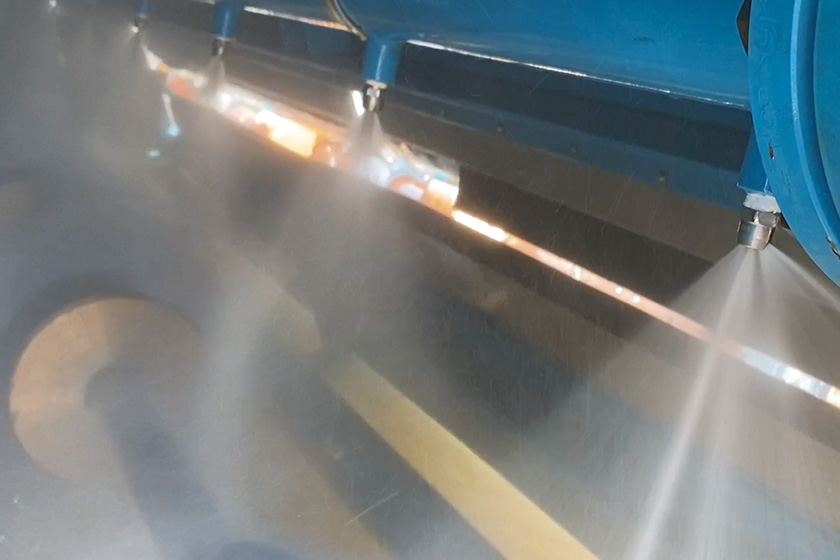
Steel Plate Washing Systems CPW Series
The CPW series is equipped with a wash water tank in its body and uses a submersible pump to circulate the wash water. This enables the water to be circulated and reused. Accordingly, it can greatly reduce water use compared to when washing using a high-pressure washer.
Contributing to water purification and pollution prevention
Wastewater Treatment Equipment
We handle a wide range of wastewater treatment equipment used in the processes essential to water purification such as the transfer, aeration, and mixing of polluted water at sewage treatment plants and industrial waste treatment facilities.
Sewage treatment is a component of the social infrastructure essential to protect the water environment of communities by reducing pollutant loads discharged into rivers, lakes, and coastal waters. Our equipment contributes to water purification and preservation in public water bodies by playing a role in the sewage treatment process.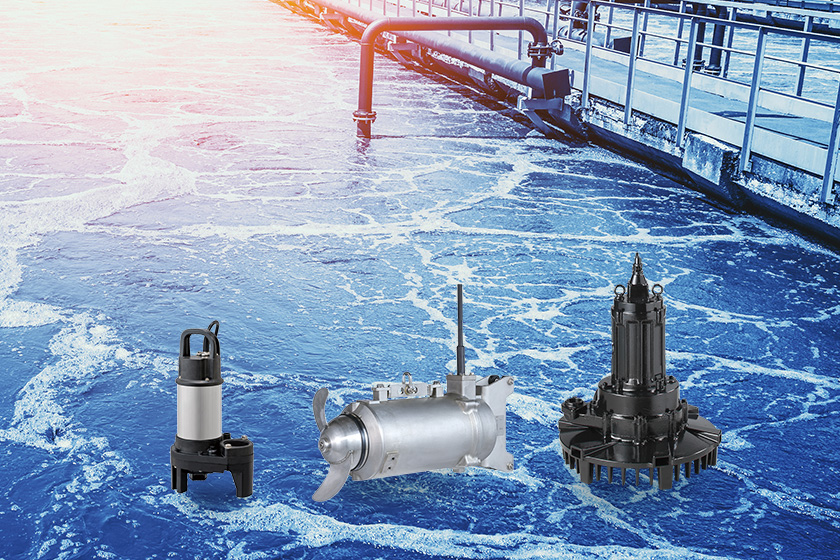
-
2. Contribution to Resource Circulation
Contributing to reduced waste
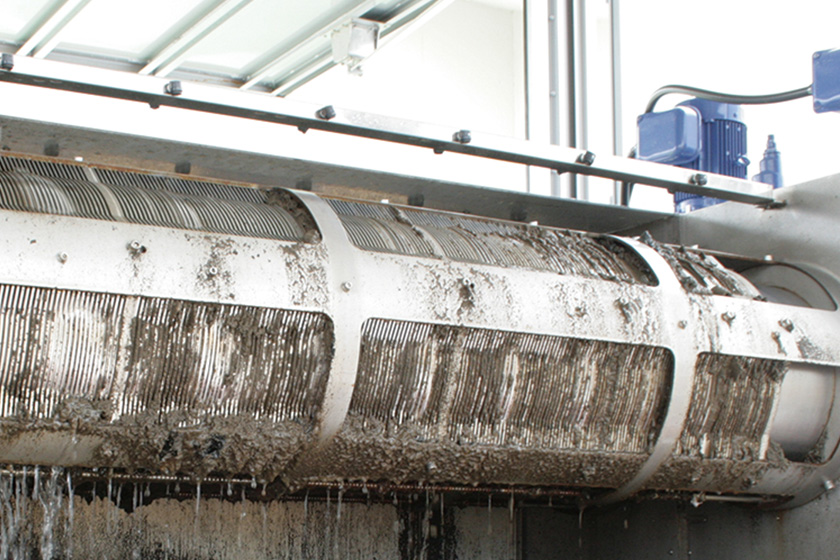
Dehydrators
The sludge generated during the sewage and industrial wastewater treatment processes contains a high moisture content, and it is difficult to incinerate or dispose of in landfill in that state. Dewatering the sludge using a sludge dehydrator significantly reduces its volume, thereby lowering the total amount of waste ultimately sent to incineration for disposal.
Contributing to improved resource efficiency
Research on 3D Sand Molding Technology Aiming for High Precision and Near Net Shape Casting
At the Modeling Research Building, we use 3D sand molding technology to manufacture and research high-precision sand molds.
Normally, when manufacturing cast parts, molten metal is poured into a sand mold to form the shape of the casting, which is then cooled, removed from the mold, and subjected to additional machining and polishing. Improving the precision of sand molds helps to reduce the workload in the post-casting processes, minimize material waste, and lower energy consumption.
Compared to conventional sand molds made using wooden patterns, sand molds manufactured with 3D sand molding systems reduce machining allowance to approximately one third. This leads to labor savings in subsequent processes and the efficient use of materials and energy, thereby contributing to improved resource efficiency and reduced environmental impact.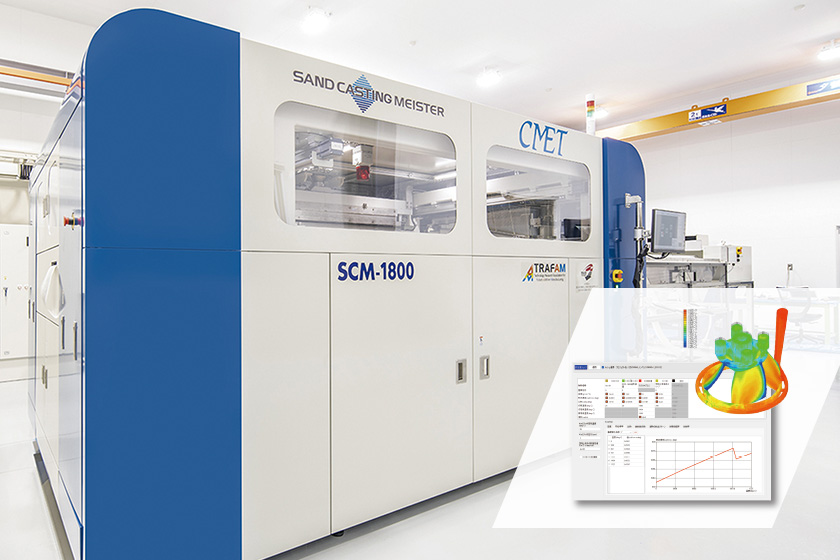
-
3. Consideration for Ecosystems and the Natural Environment
Contributing to air pollution control
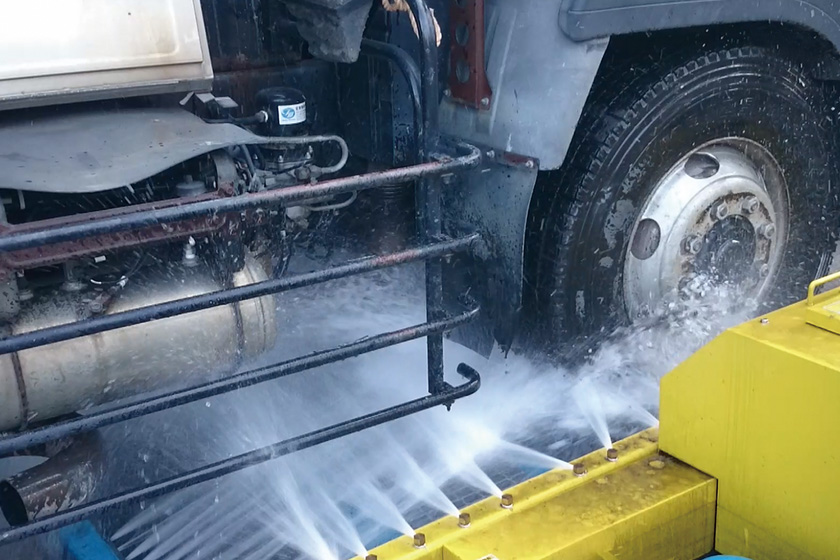
Automatic Tire Washers MTW Series and Large Sprinklers TWP Series
At construction and demolition sites and crushed stone plants, soil and dust accompanying operations and vehicle movement can scatter in the surrounding environment. This is a cause of air pollution. The MTW series automatic tire washers and the TWP series large sprinklers help prevent the generation and dispersal of dust, contributing to air pollution control.
Contributing to the sustainable use of natural resources
Agriculture / Livestock / Aquaculture
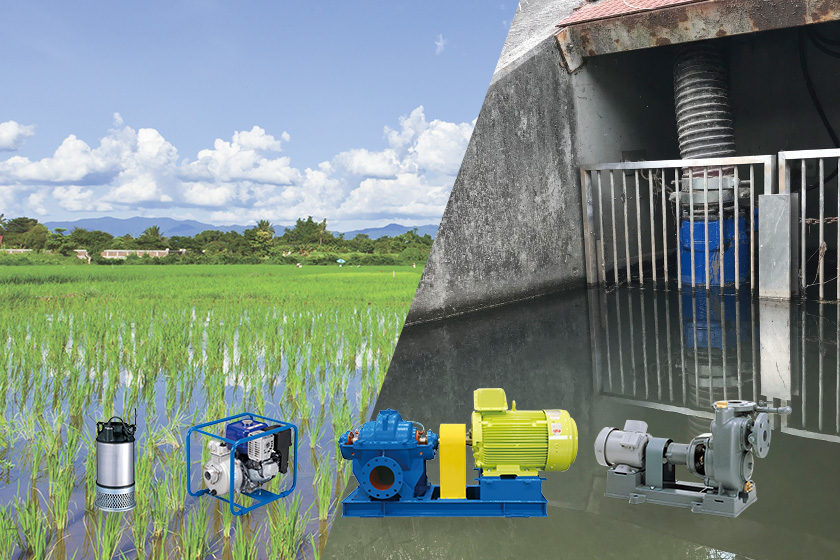
Our products are used for various applications, including irrigation, water intake and circulation, and water treatment in primary industries, such as agriculture, livestock farming, and fisheries.
By supplying these industries with our products, we contribute to stabilizing sustainable food production while helping to curb excessive reliance on natural resources and reduce environmental impact.