

TechnologyAdditive Manufacturing for 3D Sand Casting

New Manufacturing Methods
Using the Latest Technologies
At Tsurumi’s Yonago Plant, a sand mold additive manufacturing system (3D printer) was installed in the Modeling Research Building, which was completed in November 2018.
Ongoing research focuses on putting shorter-lead-time, high-precision, high-quality casting production into practical use and promoting digital transformation (DX) in manufacturing.
-
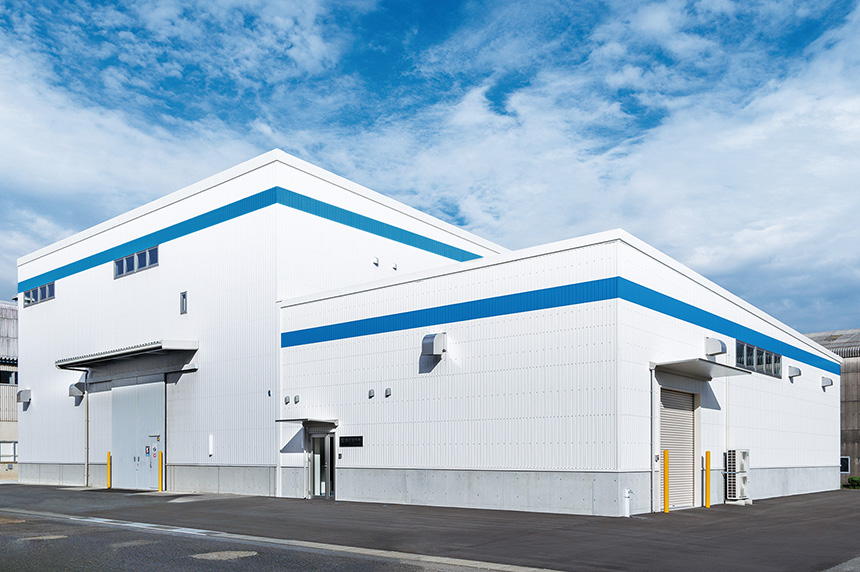
Yonago Plant – Modeling Research Building
-
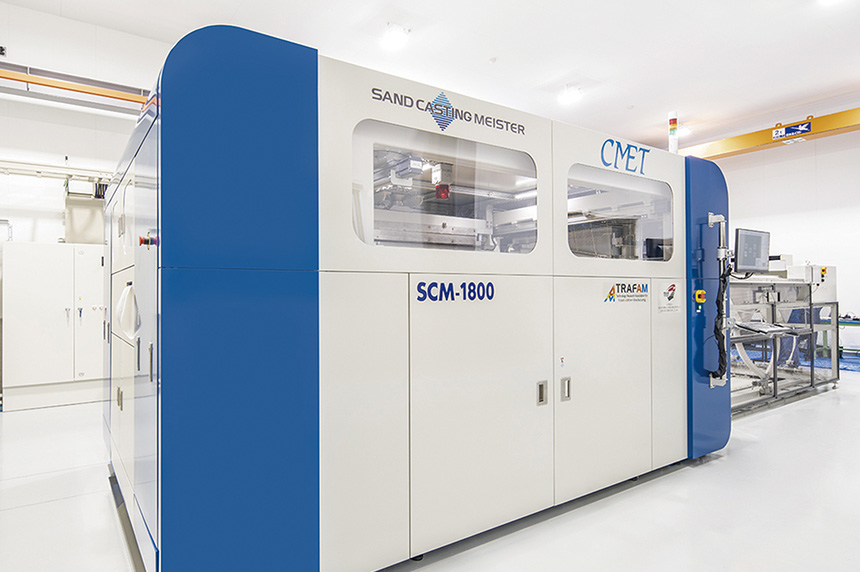
Artificial Sand 3D Printer
-
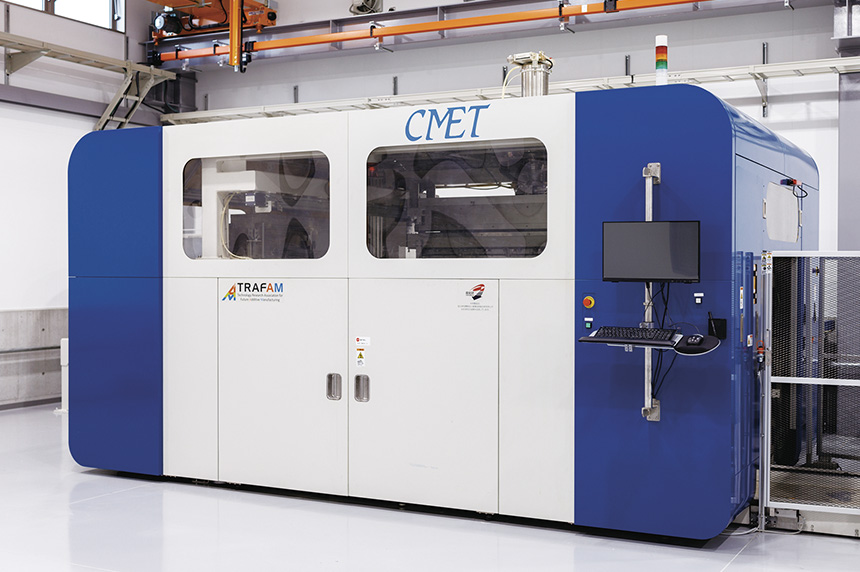
Natural Silica Sand 3D Printer
Tsurumi Featured on the AMANO SCOPE YouTube Channel (Japanese)
[Inside the Foundry] Next-generation Casting with 3D Sand Molds
and 1,400°C Molten Iron — Preserving Vanishing Skills through Tsurumi’s Integrated Manufacturing
Next-generation Sand Mold Manufacturing Technology
Conventionally, castings for custom-made products are produced by sand casting using wooden patterns. The process begins with the preparation of 2D drawings, which are used to manufacture wooden patterns representing the shape of the cast product.
Sand is then packed around the patterns to form the sand molds. Because wooden patterns are largely made by hand and require significant labor, pattern production accounts for a substantial portion of the lead time for custom-made products.
With a sand mold additive manufacturing system (3D printer), sand molds can be produced directly from 3D shape data, eliminating the need to manufacture wooden patterns and significantly reducing lead times for custom-made products.
The technology also makes design changes and casting production easier, helping shorten development times and improve product quality and reliability.
In addition, unlike conventional sand casting using wooden patterns, additive manufacturing enables the production of sand molds for complex geometries that would otherwise be difficult to create.


Example:
Casting a Vacuum Pump Impeller
As with the conventional method, the 3D-printed sand mold is assembled and molten metal is poured into it.
After cooling, the casting is machined and finished as an impeller.
Sand molds produced by the 3D printer have smooth surfaces and are less prone to misalignment during assembly,
enabling the production of castings with greater dimensional accuracy.
Casting Process
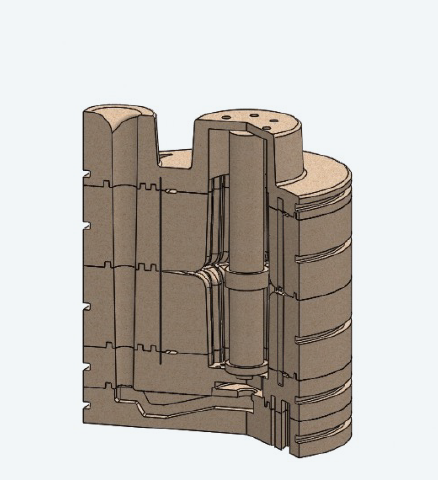
The 3D-printed sand mold sections are assembled, and molten metal is poured into the mold.
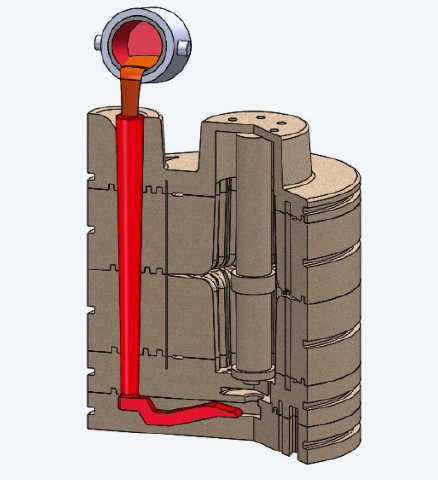
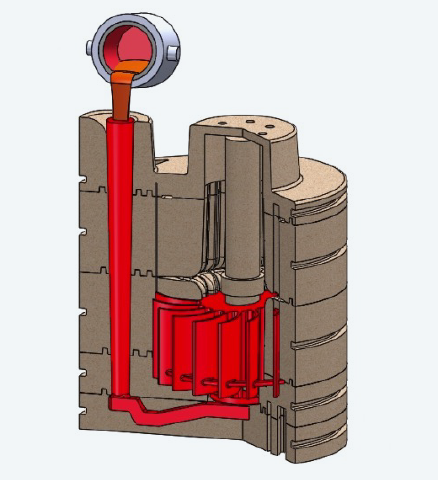
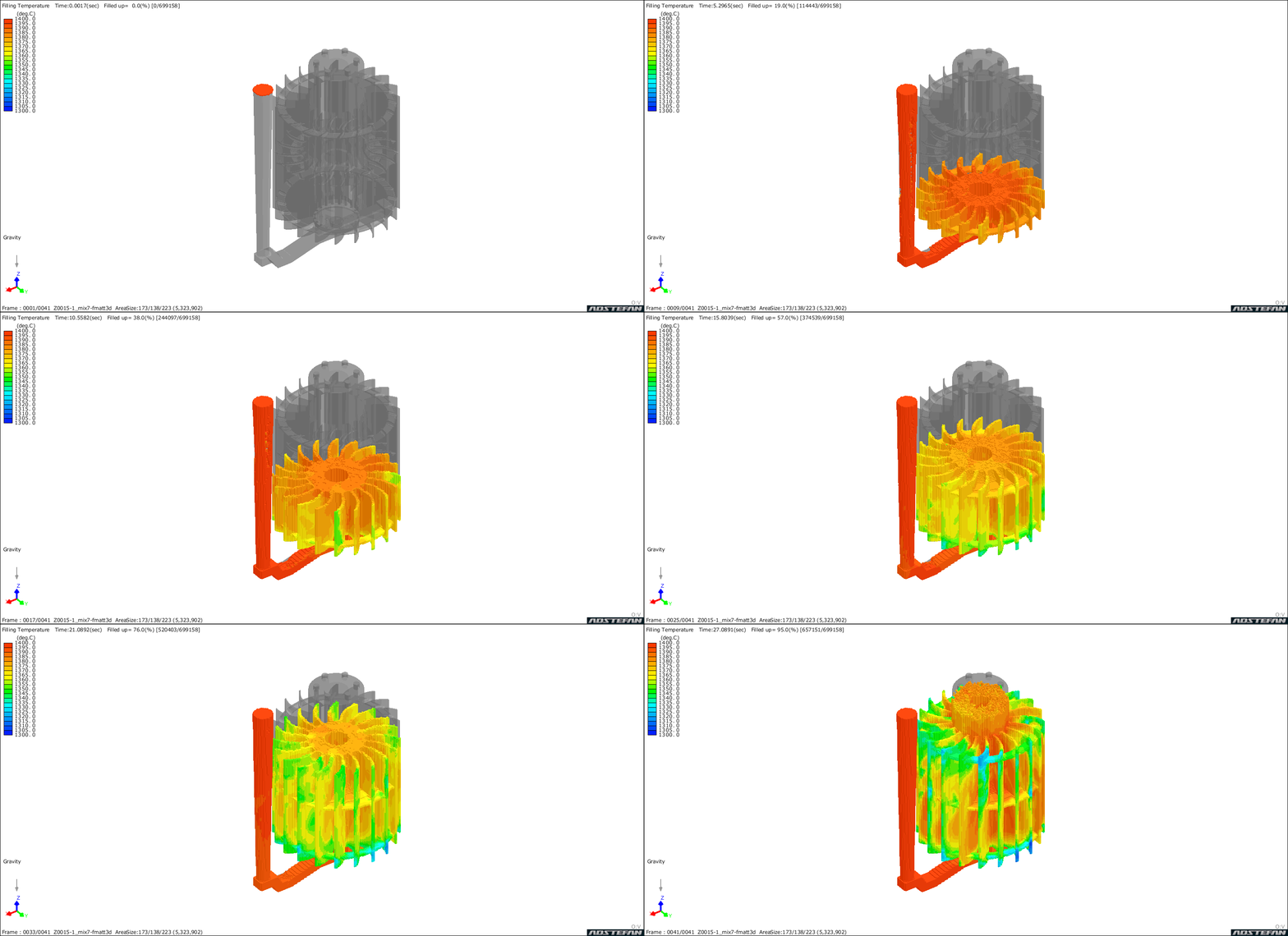
The molten metal flows down the sprue from the gate to the impeller pattern where it fills the intricately shaped pattern.
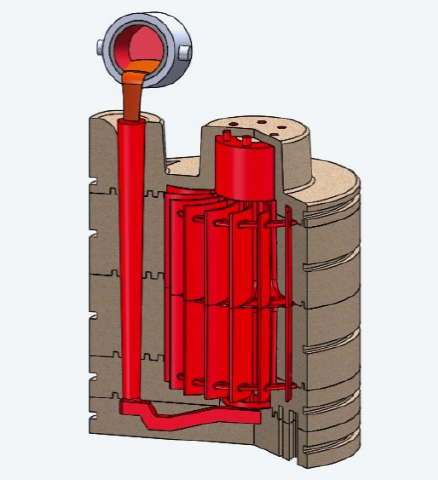
The molten metal then cools and takes the shape of the cast product.
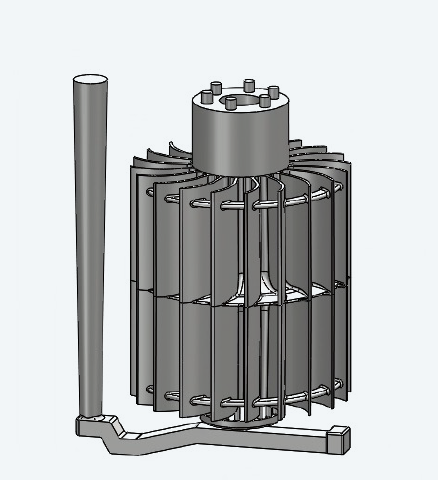
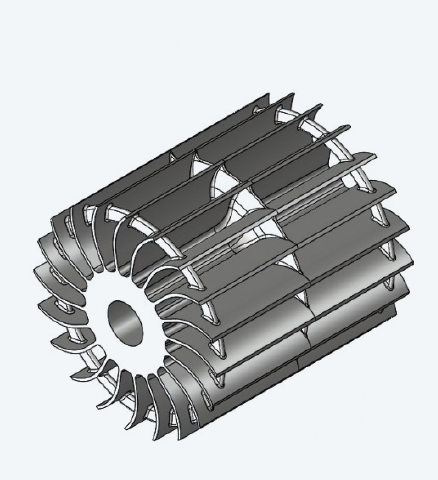
The sand casting mold is struck and the cast product is finished to look and function as an impeller. The dimensional accuracy of the impeller is better than what is normally achieved with conventional wood pattern casting.
Flow of Molten Metal
Example Sand Casting for a Vacuum Pump Impeller
-
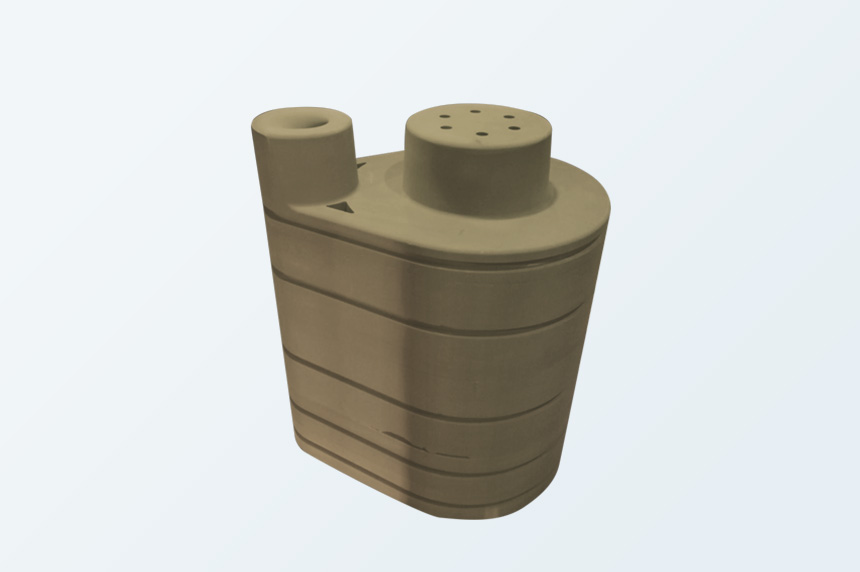
Sand Casting
-
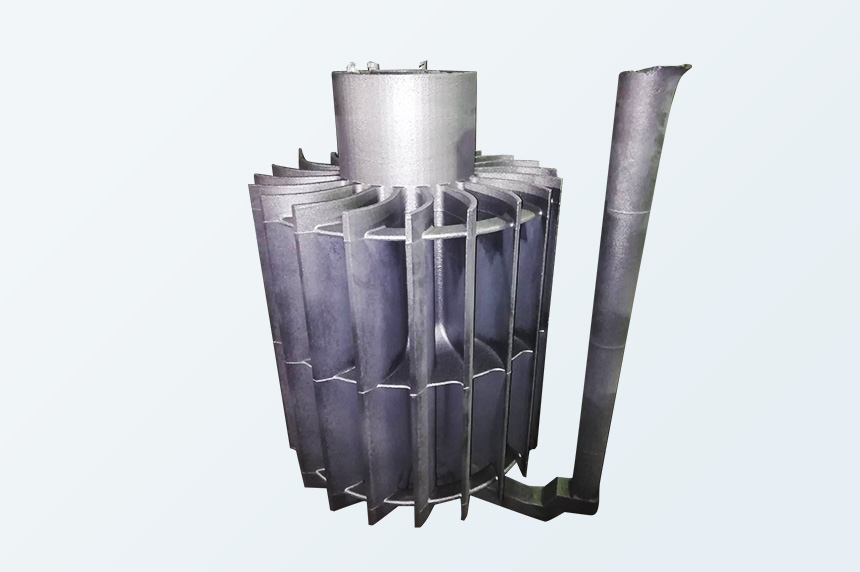
Cast Impeller
At Tsurumi’s Yonago Plant, in addition to the sand mold additive manufacturing system (3D printer), we use casting simulation software to visualize casting defects and a 3D coordinate measuring machine to verify dimensional accuracy, helping ensure high-quality manufacturing.

